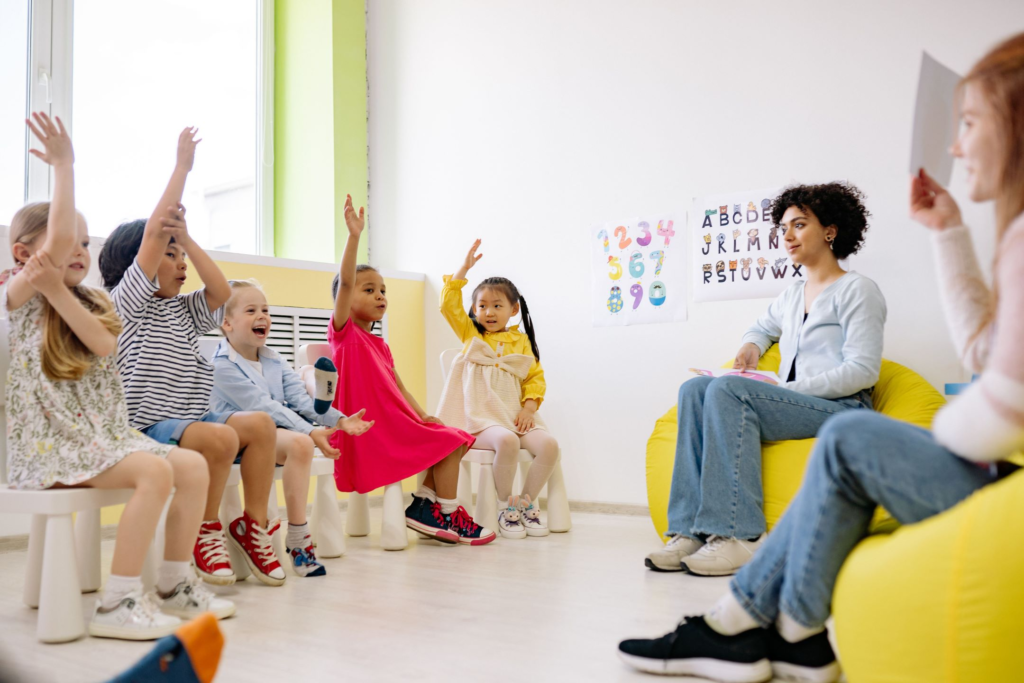
Making friends comes naturally to some children and feels surprisingly hard for others. If your child falls into the second group, social skills training gives them a way to build and practise these abilities.
Rather than waiting for a child to grow out of it, parents can actively support the process. This guide explains what social skills training involves, along with a few ways to support it at home. In turn, these skills shape everything from playground games to group work in the classroom.
What Social Skills Training Looks Like
Social skills training helps a child learn everyday moves that make interactions go more smoothly.
- Taking turns in a conversation or game
- Reading body language and social cues
- Joining a group without feeling awkward
The approach focuses on giving a child practical tools they can use in their own way, shaped around their natural personality.
Some children pick up these moves quickly, while others need more time and repeated practice to feel comfortable using them.
Everyday Moments Are Practice Opportunities
Everyday family life offers plenty of chances to practise these skills outside formal social skills training sessions. A game night, taking turns choosing what to watch, or dinner table conversation all count as practice ground.
Additionally, parents can narrate their own thinking out loud from time to time. For example, explaining aloud why you responded to someone in a certain way opens a window into thinking a child rarely sees.
Practice tends to work best when it feels informal and unplanned. The more natural it feels, the more likely it is to stick.
What Social Skills Training Looks Like at OWL CSLT
In practice, social skills training at OWL CSLT in Singapore forms one part of our educational therapy services. A therapist begins by getting to know how a child interacts, rather than running through a formal test. The focus is on understanding what feels difficult for the child.
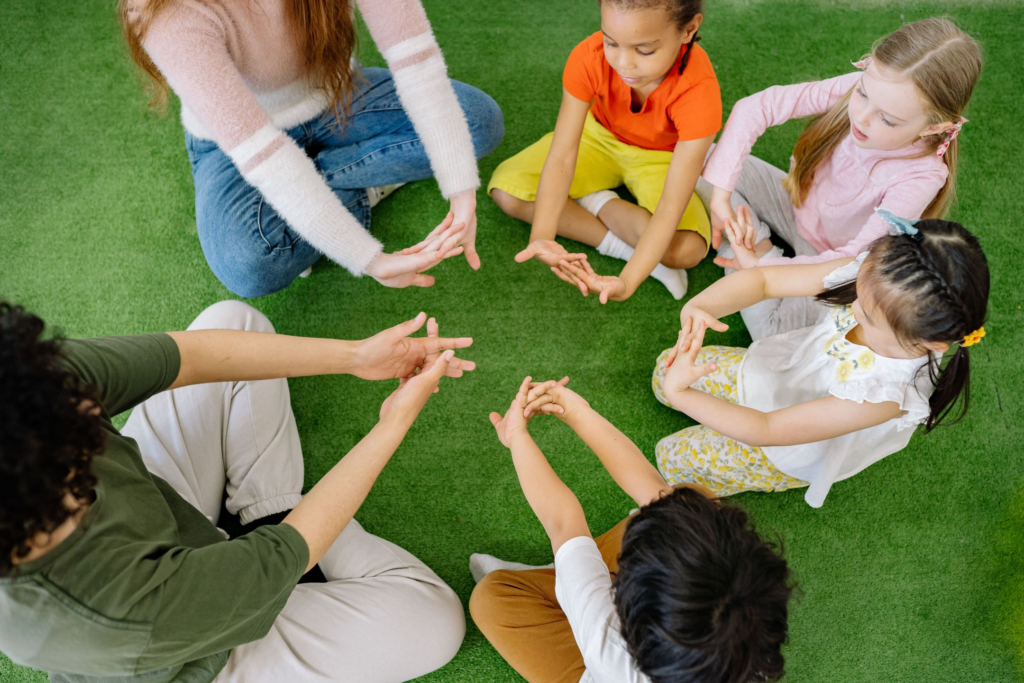
From there, a therapist works with the child on specific goals through play, role play, and real-life scenarios. This gives children a low-pressure space to practise a skill before they need it on the playground or in the classroom.
Parents and teachers generally stay in the loop throughout the process, helping to carry over what a child practises in session into daily life at school and at home.
Helping Your Child Build Connections That Last
Social skills generally improve with consistent practice and the right support. As such, a child who struggles to make friends today can still build strong, lasting connections over time.
At OWL CSLT, educational therapy, speech and language therapy, and counselling sit under one roof. A child who also finds schoolwork or big feelings difficult receives support for all of it from one team. This might include dyslexia intervention for a child working through reading difficulties, alongside social skills training.
With one team that stays in close conversation, you don’t have to juggle separate clinics with different opinions.
If making friends has felt like a struggle for your child, reach out today for support.