
School can sometimes feel like an uphill battle for a child. Long before you can pinpoint the exact issue, you might notice your child struggling to keep up with homework, losing confidence, or simply feeling frustrated whenever schoolwork comes up.
If this sounds familiar, seeking educational therapy in Singapore could be a supportive step worth exploring, even if you are not yet sure if it will be the right fit.
In this guide, we break down what educational therapy involves and how to recognise whether it could help your child thrive.
What Is Educational Therapy?
Educational therapy focuses on strengthening the foundational skills that support a child’s learning. Rather than simply repeating classroom lessons or teaching to a test, we look at the underlying skills that may be making learning more difficult and provide targeted support to help the child build these skills.
At Owl CSLT, our educational therapists in Singapore tailor each session to your child’s unique learning style and interests using a multi-sensorial approach, focusing on the following areas:
- Core Academic Skills: Strengthening reading, decoding, spelling, and numeracy foundational blocks.
- Learning & Processing Capabilities: Building focus, working memory, and effective study strategies.
- Confidence & Motivation: Nurturing self-esteem through small, steady wins in areas that once felt frustrating.
Our sessions concentrate purely on building these skills, rather than formal testing or diagnosing specific conditions.
If your child requires a comprehensive psychological evaluation, we can guide you toward a trusted clinical psychologist in our network.
What Happens During an Educational Therapy Session?
Educational therapy sessions are designed to feel engaging and supportive, favouring hands-on, multi-sensorial activities and interactive games tailored to your child's age and interests.
Therapists usually focus directly on the hurdles getting in your child's way, paying attention to key areas like:
- Reading, phonics, and spelling
- Number sense and mathematical problem solving
- Attention and focus
- Organisation, planning, and executive-functioning strategies
Parents and teachers stay in the loop throughout the process. This close collaboration helps the practical strategies built during sessions carry over smoothly into your child's homework routine and everyday classroom life.
Signs Your Child Might Benefit From Educational Therapy
Every child has off days, but persistent patterns are worth paying attention to. Some everyday signs may suggest that your child is finding certain aspects of learning more difficult than expected and could benefit from additional support.
- Homework that consistently takes much longer than expected
- Persistent reluctance to read or complete written work
- A noticeable gap between what your child seems to understand and what they are able to show in their schoolwork
- Becoming overwhelmed, distressed, or avoiding work when schoolwork feels too difficult
These signs do not necessarily mean that your child lacks effort or ability. Instead, they may indicate that your child is finding certain skills difficult and could benefit from a different approach, targeted support, or strategies that better match how they learn.
This is where educational therapy differs from traditional tuition in Singapore. While tuition generally focuses on helping a child keep up with schoolwork and practise curriculum content, educational therapy looks more closely at the underlying skills that may be making learning difficult.
For a child who is struggling with reading, spelling, attention, or other foundational learning skills, simply doing more of the same work may not address the underlying difficulty.
Educational therapy aims to identify these areas and provide targeted support based on the child’s individual learning profile.
Finding an Approach That Actually Fits How Your Child Learns
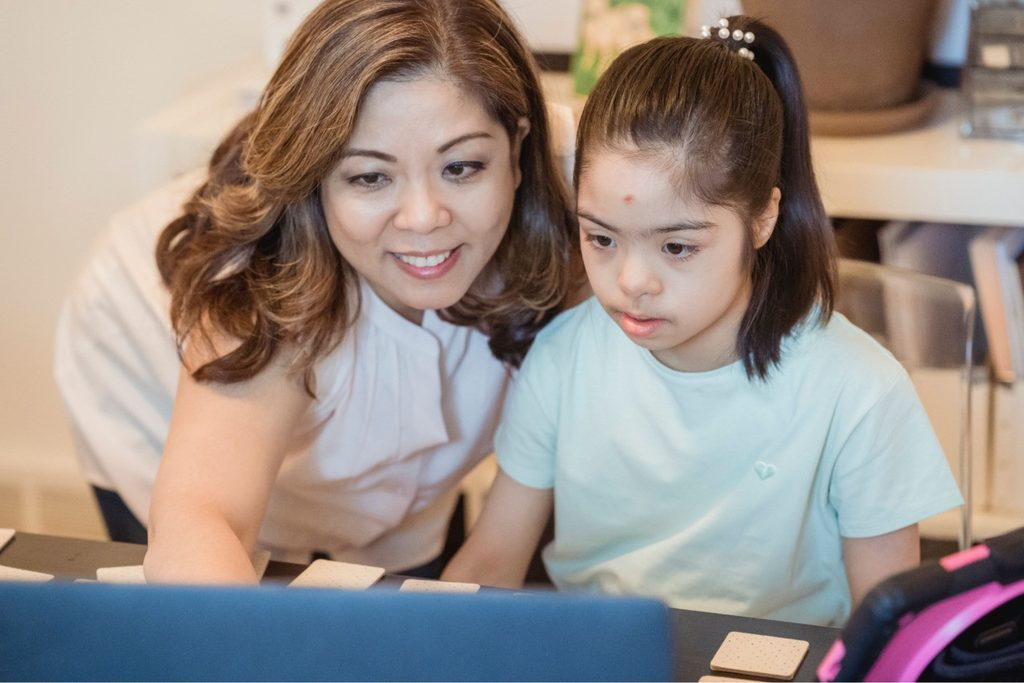
Children do not all learn the same way, which is why a one-size-fits-all model can leave some students feeling left behind.
Effective educational therapy services in Singapore adapt to the child, using multi-sensorial, structured methods that evolve as their skills grow.
For a child with more specific reading or spelling needs, this might include specialised dyslexia intervention alongside broader skill-building.
At Owl CSLT, we bring educational therapy, speech and language therapy, and counselling together under one roof. This integrated approach means a child building confidence in reading or focus can also receive emotional support in the same familiar environment.
Ready to see how a tailored approach can transform your child's confidence at school? Book a non-obligatory 30-minute discussion with our team to explore how we can help your child thrive.